




Modernising a legacy system is not only a technical exercise; it is a strategic decision that shapes how teams build, maintain, and scale software for years to come. After identifying modernisation patterns and migration strategies, the next step is choosing a technology stack that supports modularity, enables incremental change, and accelerates delivery without compromising long-term stability.
Selecting a modern stack is not about choosing what is fashionable. It is about choosing what aligns with the organisation’s architecture goals, delivery model, and operational constraints.
Principles for Selecting a Modern Tech Stack
Regardless of the technologies involved, a modern stack should meet several core principles:
Ecosystem maturity and long-term support
Choose languages and frameworks with active communities, predictable release cycles, and enterprise backing.
Support for clear modular boundaries
The stack should make it easy to build modular components, enforce separation of concerns, and gradually extract or replace legacy functionality.
Cloud and container readiness
Modern applications must run reliably in containers, scale horizontally, and integrate with cloud-native tooling.
First-class observability
Logging, metrics, and distributed tracing must be easy to integrate from the start, especially when the legacy and new systems run in parallel.
Developer productivity and testing friendliness
The stack should encourage clean design, testing at multiple levels, and fast feedback loops.
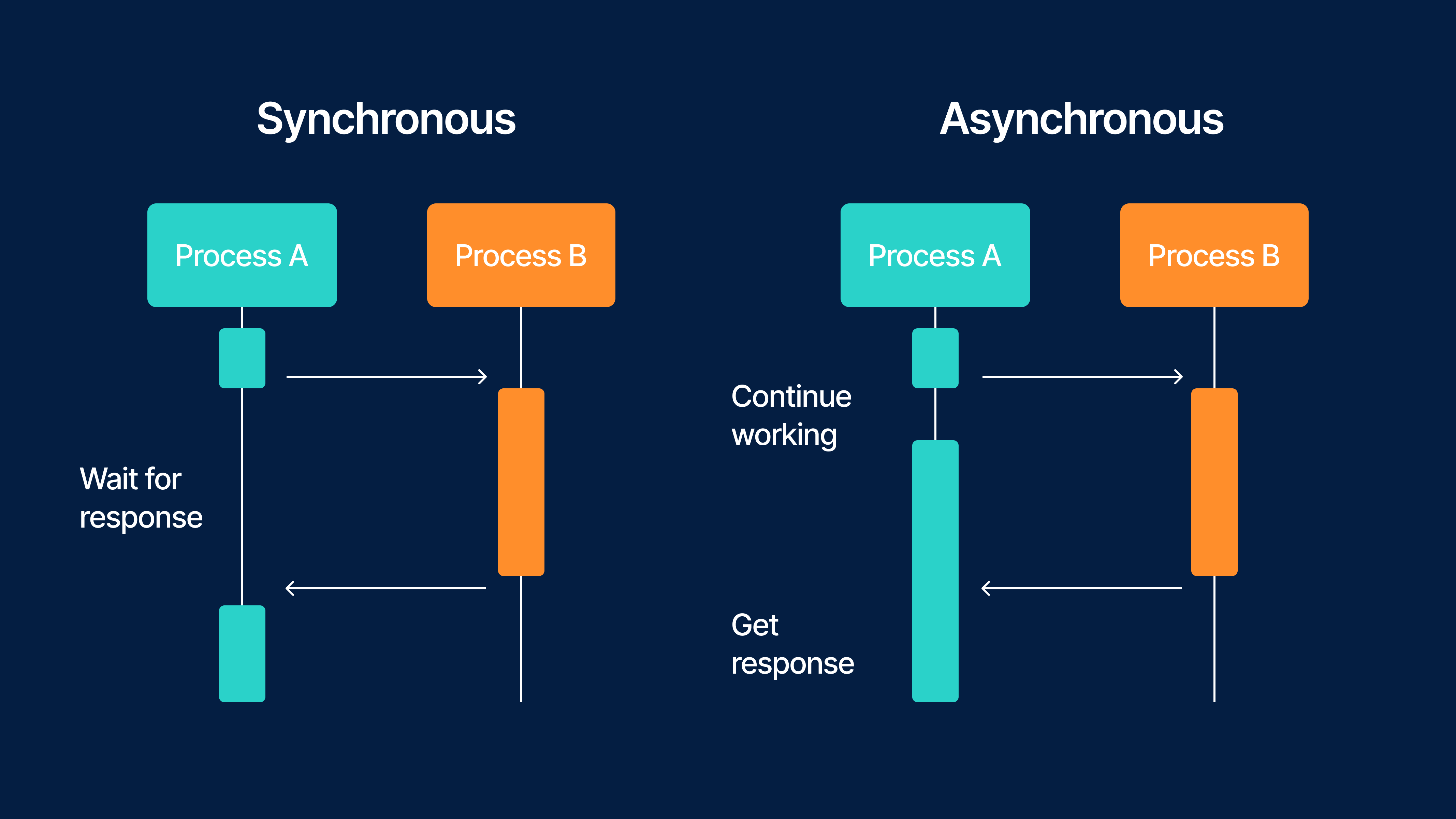
Compatibility with synchronous and asynchronous architectures
This includes APIs, messaging, event-driven workflows, and background processing capabilities.
These principles make it easier to deliver modernised functionality while still integrating with legacy components until migration is complete.
Why .NET Is a Strong Foundation for Modernisation
For many organisations, the .NET ecosystem offers an effective foundation for rebuilding or incrementally replacing legacy systems. It provides:
- High performance on a cross-platform runtime
- A mature API ecosystem with excellent tooling
- Built-in dependency injection, hosting, configuration, and middleware
- Strong alignment with modular monoliths, microservices, and hybrid architectures
- Excellent testability through first-class support for isolation, mocking, and dependency boundaries
- A rich selection of libraries that support validation, mapping, messaging, and data access
Most importantly, .NET encourages clear architectural boundaries—an essential requirement for safe, incremental modernisation.
Backend Technologies in Our Modern Stack
While every organisation's needs differ, the following choices demonstrate a practical, modern approach aligned with modular architecture and incremental migration.
ASP.NET Core with FastEndpoints
FastEndpoints provides a lightweight, high-performance approach to building APIs with strong separation between features. It simplifies endpoint organisation, improves discoverability, and fits naturally with modular and vertical-slice architectures. This makes it easier to modernise legacy features one endpoint at a time.
Entity Framework Core
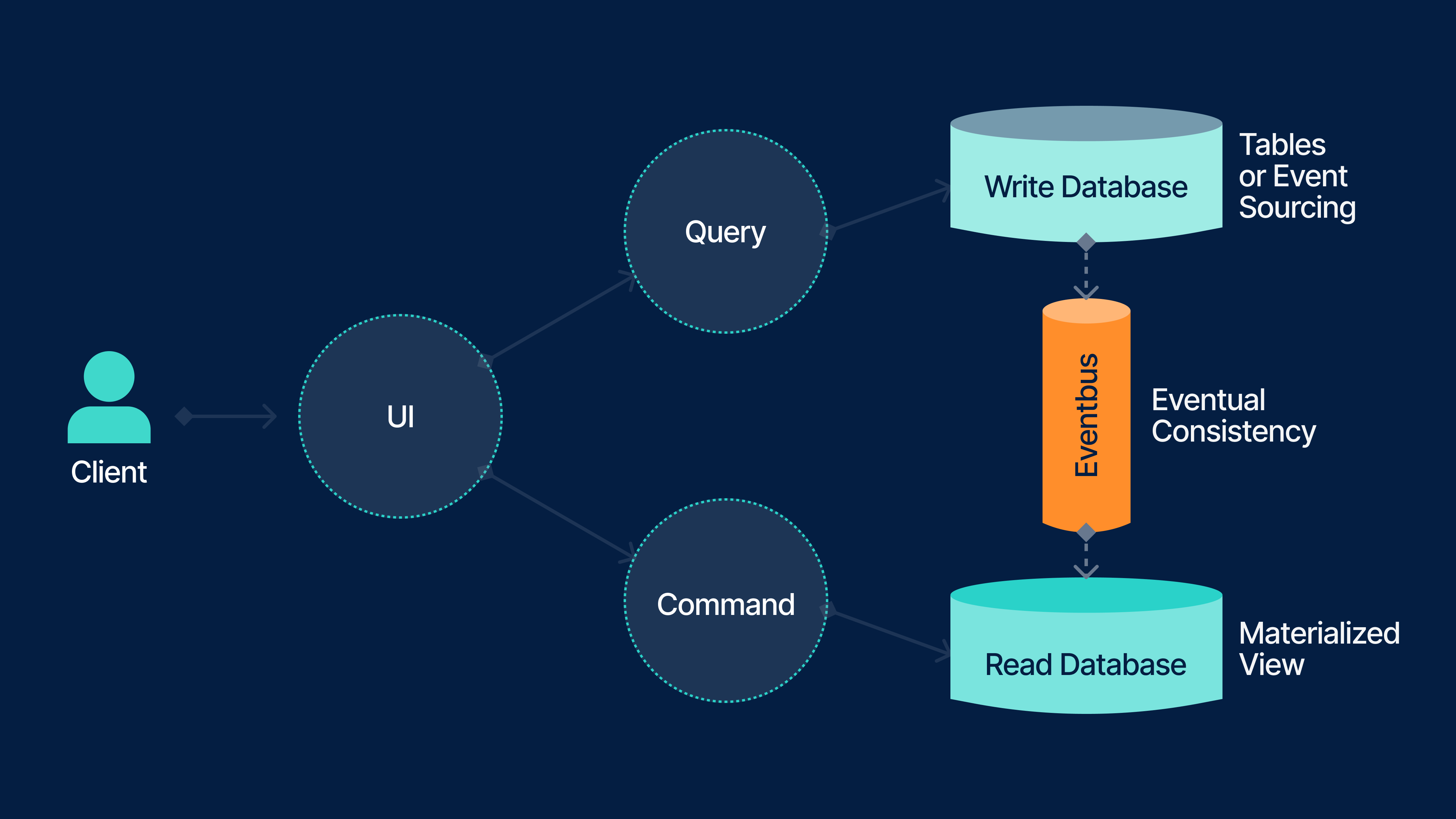
EF Core delivers mature ORM capabilities while supporting clean domain models, LINQ queries, migrations, and flexible configuration. It integrates well with CQRS patterns and maintains clarity between read and write concerns. For modernisation, EF Core also supports temporary coexistence with legacy databases or schemas.
FluentValidation
Clean validation rules help keep business logic separate from controllers and transport layers. FluentValidation integrates smoothly with both commands and queries in CQRS, enabling reliable and testable validation across modules.
CQRS and Clean Architecture
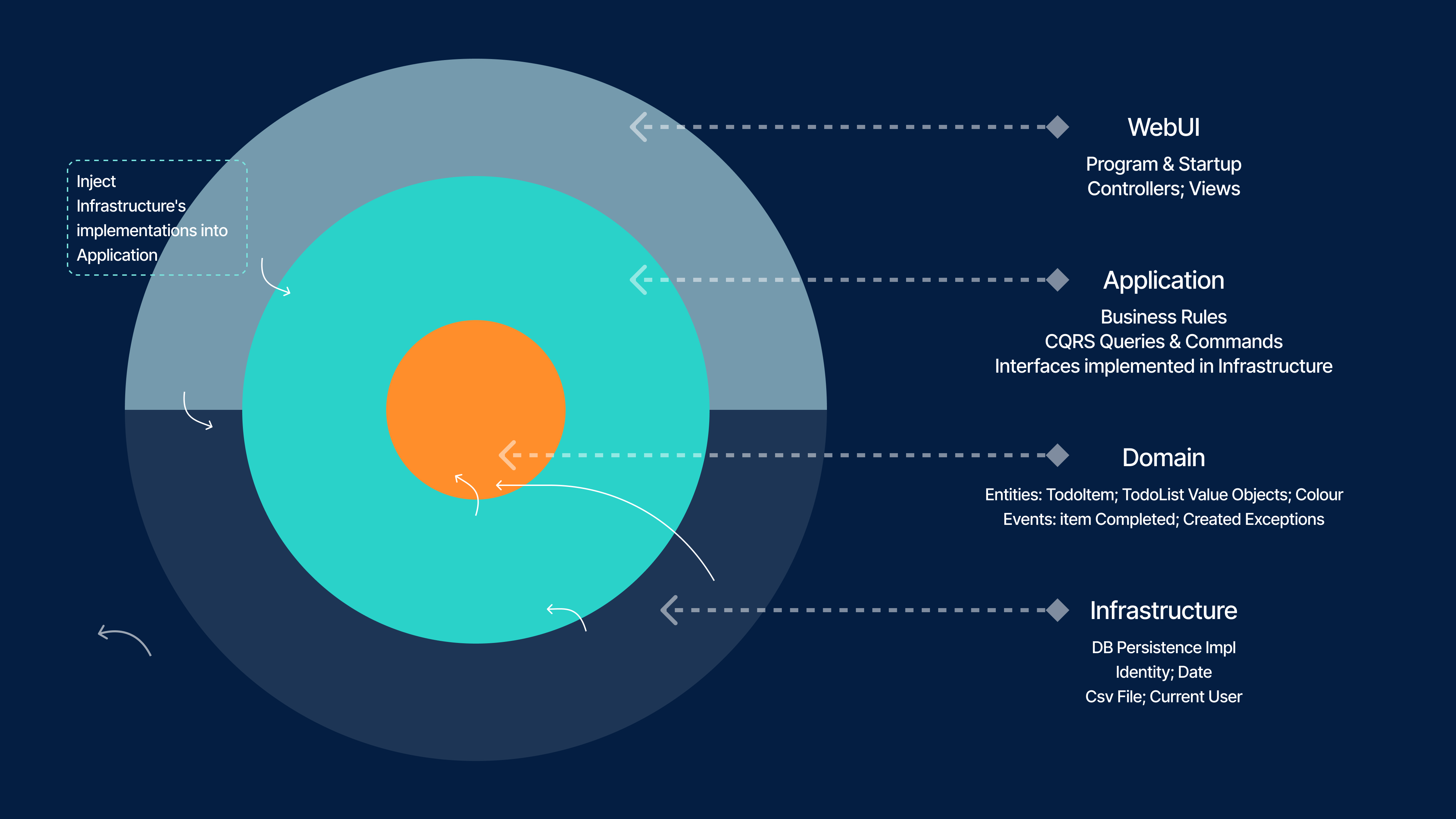
These patterns promote explicit boundaries, improve testability, and separate responsibilities across commands, queries, handlers, and domain models. They naturally support incremental modernisation by enabling legacy logic to be replaced in small, controlled units.
Messaging and Asynchronous Processing
Modern systems increasingly rely on asynchronous communication to improve performance, reliability, and resilience. This is especially helpful during modernisation, where both the legacy and new systems may need to run side-by-side.
MassTransit with RabbitMQ
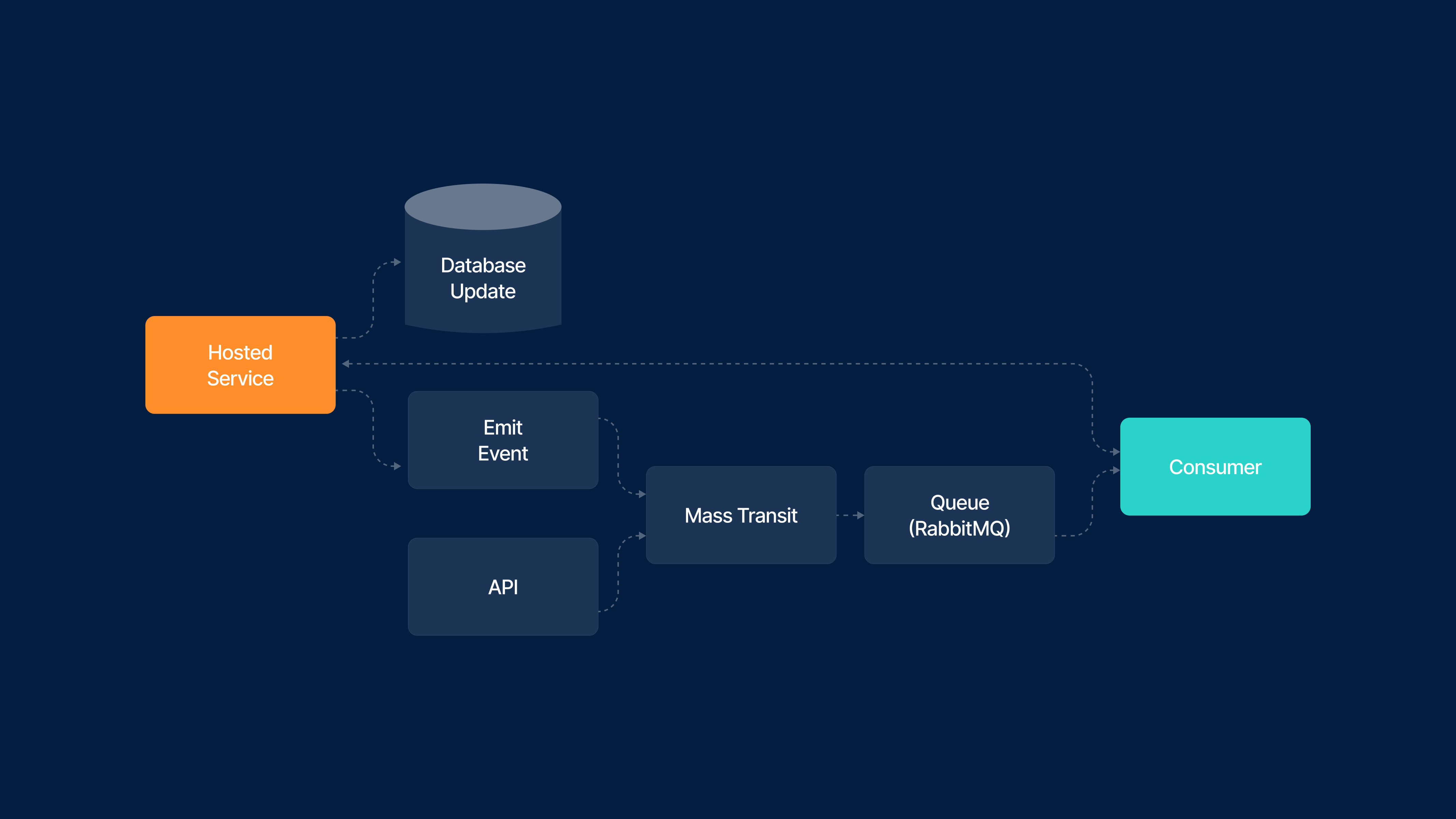
This combination offers a production-ready messaging layer that supports pub/sub, commands, events, sagas, and distributed workflows. It reduces coupling between modules and improves reliability through retries, dead-letter queues, and message durability. For modernisation, messaging is invaluable for background synchronisation and handling long-running processes.
ASP.NET Hosted Services
Hosted services provide a straightforward model for background operations such as scheduled jobs, message consumers, legacy synchronisation tasks, or domain-driven workflows. They help keep API endpoints stateless while offloading asynchronous work into reliable, isolated processes.
Redis
Redis plays a key role in caching, temporary state storage, distributed locking, and improving read-heavy operations. During migration, Redis can also help align performance and consistency while both legacy and new systems handle requests.
Frontend Technologies
A modern frontend should provide responsive user experiences, efficient data synchronisation, and clean integration with API-driven backends.
Vue with TanStack Query
Vue offers a lightweight and flexible component model, while TanStack Query simplifies client-side data fetching, caching, and state synchronisation. This combination reduces complexity, improves perceived performance, and gracefully handles multiple backend versions during the modernisation process.
Cross-Cutting Capabilities
A good technology stack must also support essential cross-cutting concerns from the start:
Observability
Deep integration with logging, metrics, and tracing tools — such as OpenTelemetry, ELK, or Seq — enables early detection of issues during the migration period.
Security and Identity
Modern authentication/authorisation patterns, including OAuth2 and OpenID Connect, keep identity concerns isolated from business logic and simplify future scaling.
DevOps and CI/CD
.NET’s container-friendly model and first-class support for GitHub Actions, Azure DevOps pipelines, and IaC tooling make deployment pipelines consistent and repeatable.
Bringing It All Together
Choosing the right modern tech stack is ultimately about alignment — alignment with modular boundaries, modern architecture patterns, operational goals, and the realities of legacy coexistence. The technologies above demonstrate a balanced approach: highly productive for developers, grounded in proven design principles, and resilient enough to support both incremental and large-scale modernisation.
As the modernised system evolves, this stack provides the foundation for clean separation, controlled migration, and long-term maintainability.
With the modern tech stack established, the next step is understanding how the modernisation effort will be delivered. This requires a clear project-management strategy that guides planning, prioritisation, and execution throughout the migration journey.
References
- Why .NET Is a Strong Foundation for Modernisation
- FastEndpoints: A Game-Changer for Minimal APIs
- FluentValidation: A Clean and Powerful Approach to Validations
- TanStack Query: A Powerful Tool for Data Management in React
- CQRS pattern


.png)
.png)


